Delays in Subsidies Affect Former FARC Combatants
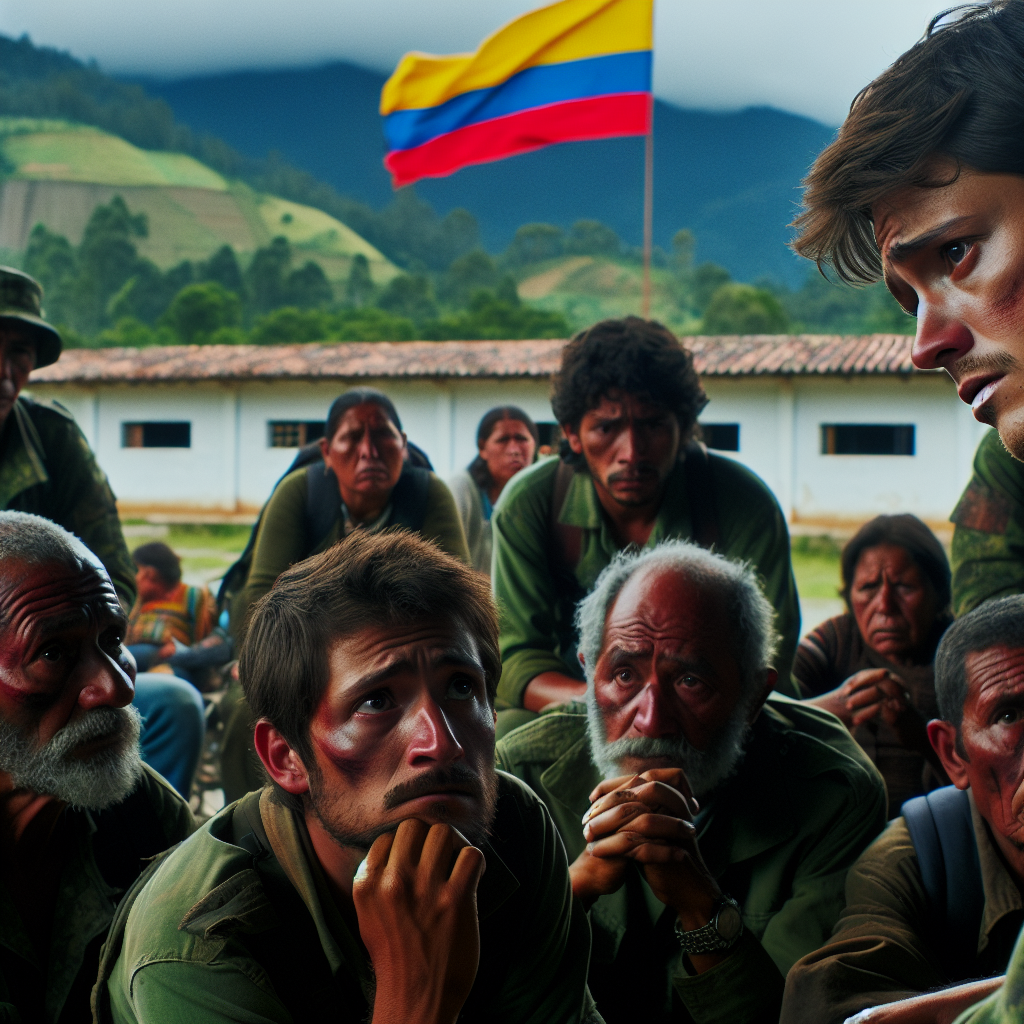
In Colombia, the situation of former FARC combatants continues to deteriorate. The failure to comply with the peace agreements directly affects many families. Delays in subsidies are only part of the problem.
Recently, former combatants have begun to share their stories. These reveal the difficulties they face every day. Fear and uncertainty are emotions that prevail among the beneficiaries.
It is essential to understand the context behind these complaints. Many regard subsidies as their only source of support, and the lack of payments worsens their situation.
Former FARC Combatants Report Delays of Up to Two Months in Subsidy Payments
According to them, payments have not been made since November 2024. Many former combatants have been unable to cover their rent, utility bills, which have been suspended, and school supplies for their children. This situation has generated widespread rejection of the implementation of the peace agreements signed with the government.
Recently, complaints were filed about the failure to pay the subsidies owed to peace signatories. The payments, which are vital for these families' livelihoods, are overdue, which casts doubt on the state's commitment to these former combatants. For many of them, these subsidies are their only source of income.
Testimonies from Former Combatants
Blu Radio learned the stories of some former combatants who report that, to date, payments equal to 90% of the legal minimum wage have still not arrived. One of them expressed his concern, stating that the situation is desperate and that the money owed is essential for his day-to-day life.
“We are going hungry and in need. The lack of the subsidy has left us in a critical situation,” said a former combatant who asked to remain anonymous. This testimony is just one of many that highlight the anguish and suffering caused by payment delays.
Criticism of Compliance with the Agreement
Former combatants criticize the implementation of the peace agreements, stating that only 20% of what was promised has been fulfilled. “The rest has been nothing but promises, statements and more uncertainty,” said one of the signatories. This view is common among former combatants who feel the government has not taken their commitments seriously.
There is a fear that these subsidies will not be paid again. Many former combatants are questioning not only the effectiveness of the payments, but also the state's willingness to ensure a dignified life for them and their families. The criticism focuses not only on the subsidies, but also on other commitments related to reintegration, such as security and access to productive land.
Lack of Job Opportunities
Among the complaints of former combatants, the failure to make payments stands out, but so does the lack of job opportunities. Many former combatants find themselves in a vulnerable situation, without access to decent employment. This shortage deepens their dependence on subsidies, which have become indispensable.
Despite the efforts made by some sectors to facilitate reintegration, job opportunities are scarce. Many former combatants have tried to set up small businesses or access additional education, but opportunities remain limited. The lack of financing and institutional support makes these efforts even more difficult.
Visibility and Support for Former Combatants
The problems faced by former FARC combatants have begun to receive more visibility in the media. However, they need more forceful and effective support from the state. Social organizations and human rights defenders have also raised their voices, calling for the agreements to be respected and for measures to be taken to guarantee the stability of these families.
Several community leaders have commented on the importance of building spaces for dialogue where the demands of former combatants are heard. Creating programs that offer employment, education and psychological care would be an important step toward normalizing their lives after the armed conflict.
The Importance of Solidarity
In the face of this crisis, the solidarity of civil society becomes crucial. Communities can play an important role in the reintegration of these former combatants. Mutual support programs and solidarity networks are essential for facing these difficulties. Including former combatants in community projects can help build trust and social reintegration.
The experiences of former combatants urgently highlight the need for an adequate response from the authorities. Fulfilling the commitments made is not only an act of justice, but also a basic condition for guaranteeing lasting peace in Colombia.
It is essential that the government reassess the situation of the subsidies and seek quick and effective solutions. Otherwise, distrust and resentment may grow, calling into question the established peace process.
Uncertain Future
The future of former FARC combatants remains uncertain if concrete measures are not taken. The failure to make subsidy payments not only affects their finances, but also undermines the credibility of the peace process in Colombia. Reintegration is an issue that urgently requires the attention of all sectors, both the government and society.
The effective implementation of the peace agreements is vital. The fight for a better future must continue, and it is everyone's responsibility to foster an environment in which these former combatants can find their place in society. Peace in Colombia depends on the collective will to ensure that former combatants receive the support they need.
Former FARC combatants have laid out their needs and demands. Now it is the turn of the government and society to respond and act in a way that makes peace last and turns promises into tangible realities.
