Crisis in Subsidies Affects Vulnerable Colombians
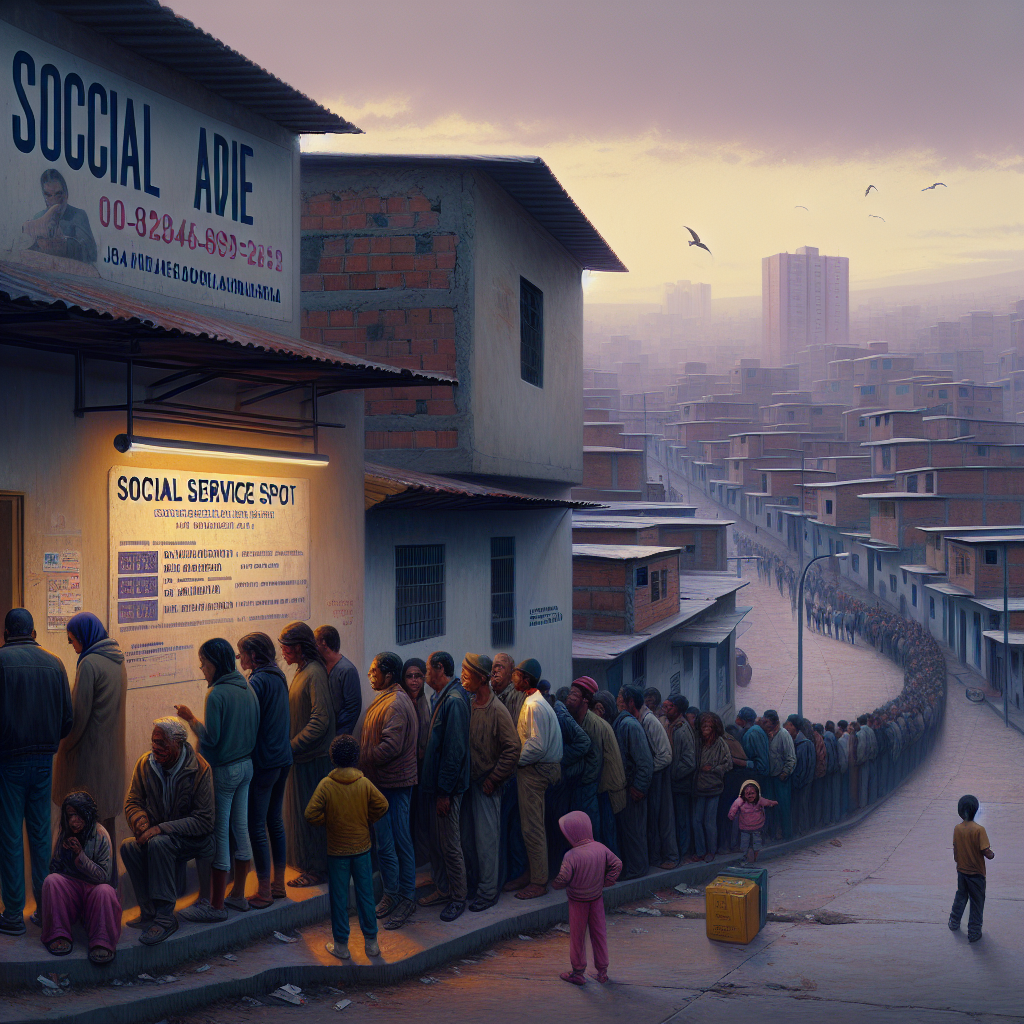
Colombia is facing a critical moment in its social policies. Recently, significant changes to subsidy programs have been announced. These changes are causing concern in various communities.
The poverty situation in the country remains alarming. Government decisions directly affect the most vulnerable families. Effective solutions are needed to combat poverty.
In this context, new measures related to subsidies and social programs have been announced. The population is watching closely how these decisions will impact their lives.
Now, Colombia Without Hunger and Young Renta
Three weeks ago, the national government announced that, due to lack of financial resources, the Mi casa ya housing subsidy program, created in 2015, would end. This program allowed citizens in strata 2 and 3 to achieve the dream of owning a home for their families.
The government's decision has meant the end of the possibility for 40,500 families to continue receiving or begin receiving this subsidy, which allowed them to pay 30% of the down payment on their home or their monthly installments, helping to reduce the mortgage debt.
At the end of 2024, the national government announced the end of two essential social programs for the population in extreme poverty: Colombia Without Hunger and Young Renta. The first of these initiatives benefits more than two million two hundred thousand households who, depending on the number of members in their household, receive monthly subsidies ranging from $80,000 to $300,000.
The reaction to this measure has been vehement. María del Rosario Pimiento, an Indigenous beneficiary, expressed her pain at the government's decision, saying: ‘For me it is a homicide. I have six children, between 7 and 23 years old; I can't even afford to pay for the oldest one's studies. Why is it a homicide? Because we who have been going through hardships, with that little bit of help, had a supplement that was very necessary for our family and our homes.’
Impact of Government Decisions
To explain this controversial decision, Gustavo Bolívar, director of the Department of Social Prosperity (DPS), stated that ‘we must begin dismantling these subsidies, because what we are doing is generating poverty, perpetuating it.’ However, many critics argue that this perspective does not take into account the reality in which beneficiary families live, who depend on these subsidies for their daily survival.
In addition to ending the Mi casa ya and Colombia Without Hunger subsidy programs, the government also announced the termination of the Renta Joven program. This decision affects 400,000 young people between the ages of 14 and 28, who have been receiving subsidies of $400,000 per month to support their technical, technological or professional studies. This cut will undoubtedly lead to a major student dropout and the loss of opportunities for thousands of young people in Colombia.
Management of Resources by the Colombian Government
Once again, the government's lack of financial planning, its wasteful spending on bureaucracy and its incompetence in managing citizens' taxes come to light. This cut to social programs can be seen as a reflection of a misguided strategy in managing public resources, once again highlighting the need for a more responsible and humane approach to social welfare.
The impact of these decisions is not felt only in the present, but also has future repercussions for Colombian society. The lack of support for low-income families could lead to an increase in poverty and social exclusion levels. Recent history indicates that, instead of moving toward a Colombia without hunger, the progress achieved so far is being put at risk.
Critics of these measures argue that eliminating essential subsidies is not the solution to poverty in Colombia. They stress that, instead of ending programs that help families, the government should focus on finding ways to improve fiscal efficiency and use resources more appropriately. It is suggested that reviewing spending in non-essential areas could free up significant resources for social programs that make a real difference in the lives of the most vulnerable Colombians.
Alternatives and Proposals to Improve the Situation
Experts and civil society organizations have proposed several alternatives that could be considered before making drastic decisions such as ending social programs. For example, some alternatives include:
- Reviewing and optimizing the administration of existing subsidies, ensuring they reach those who truly need them.
- Implementing training and employment programs that allow families to improve their incomes and reduce their dependence on subsidies.
- Increasing investment in education and public health to create a solid foundation that allows future generations to break out of the cycle of poverty.
- Fostering partnerships between the public and private sectors to create employment and economic development opportunities in vulnerable communities.
It is urgent that the government consider these alternatives and reflect on the impact of its decisions on the lives of millions of Colombians. Eliminating subsidies without establishing an alternative strategy could lead to an increase in poverty and a setback in the social advances achieved over the years.
An Uncertain Future for Beneficiaries and Their Families
Families who depend on these subsidies face an uncertain future. The elimination of programs such as Colombia Without Hunger and Young Renta puts at risk not only their daily livelihood, but also the education and well-being of their children. Anxiety is felt in many homes as families wonder how they will cover their basic needs without the support of these subsidies.
Moreover, these programs should be considered not only as immediate relief but also as an investment in the future of Colombia. By providing resources to the families most in need, education, health and the general well-being of society are promoted. However, eliminating this support risks undermining the development and social growth efforts that the country urgently needs.
In short, Colombia faces a major challenge in deciding to end programs that have been essential to the lives of many of its citizens. Alternatives must be explored and weighed carefully to ensure a balance between fiscal sustainability and the protection of the most vulnerable members of society.
